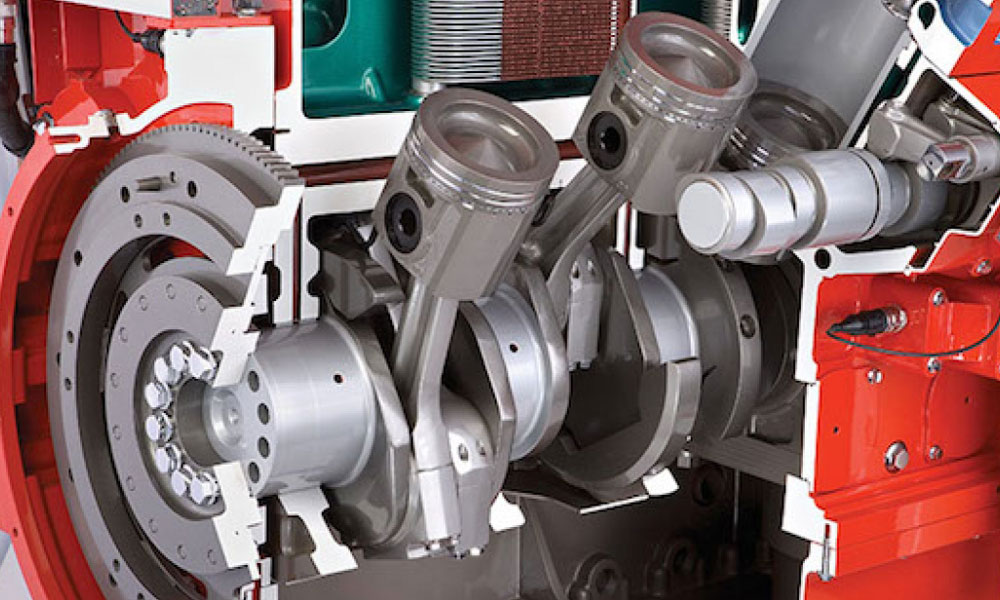
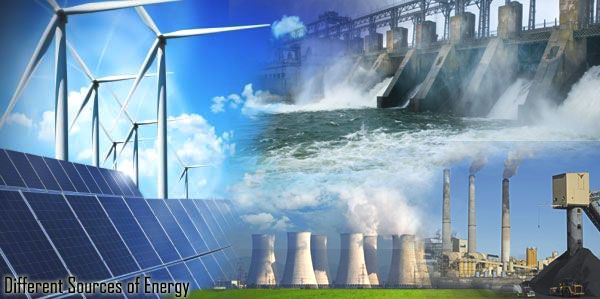
Diesel engines are the backbone of many industrial, infrastructure, and mining operations due to their unmatched durability, torque, and fuel efficiency. Here’s a breakdown of their significance across these sectors
🏭 Industrial Applications
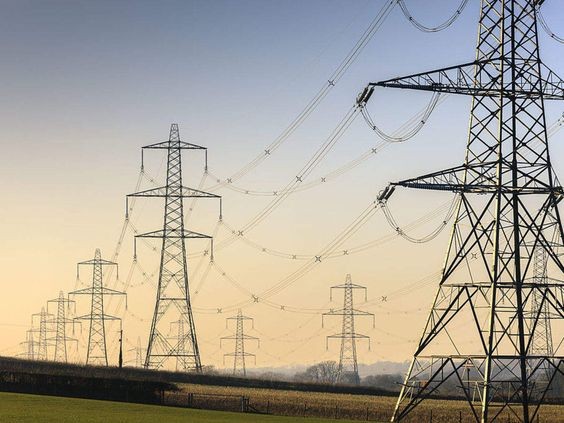
Power Generation
Diesel generators provide backup and prime power for factories, refineries, and processing plants, especially in regions with unreliable grids.
Heavy Machinery
Forklifts, cranes, and industrial trucks rely on diesel engines for high torque and long operational hours.
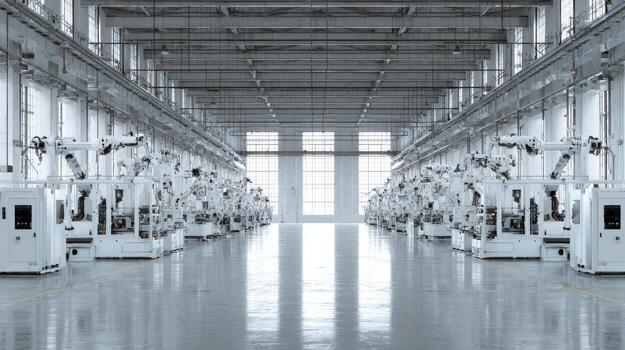
Manufacturing
Diesel-powered compressors and hydraulic systems drive production lines and automated equipment.
Transport & Logistics
Diesel trucks and locomotives move raw materials and finished goods across vast distances efficiently.
🏗️ Infrastructure Development
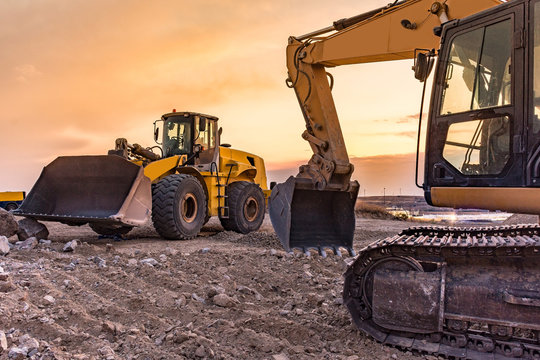
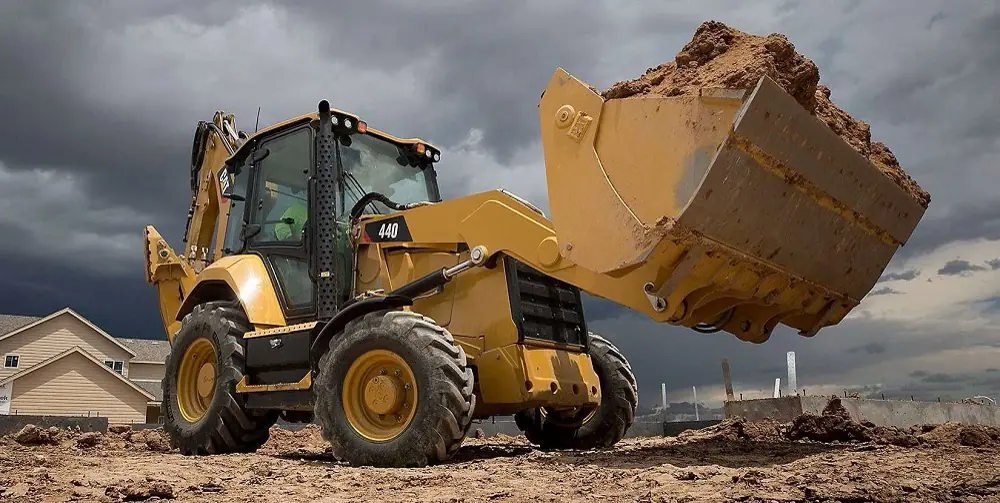
Construction Equipment
Excavators, bulldozers, graders, and concrete mixers use diesel engines for their ruggedness and ability to operate in harsh environments.
Road Building
Pavers, rollers, and trenchers are diesel-powered to handle continuous, high-load tasks.
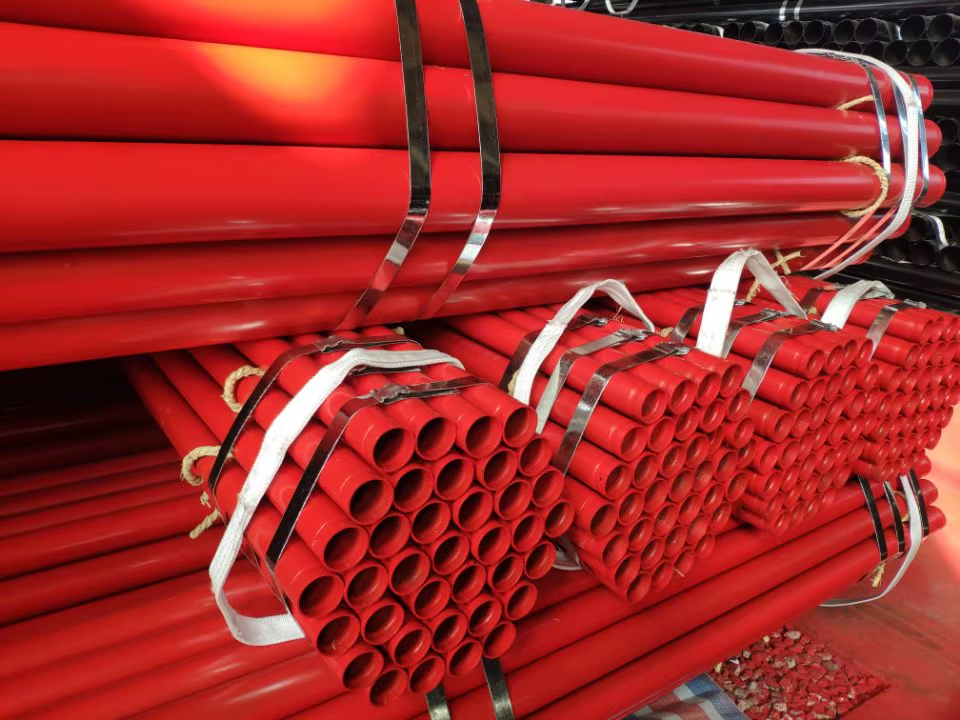
Water Infrastructure
Diesel pumps are used in irrigation, flood control, and municipal water supply systems.
Emergency Systems
Diesel generators support hospitals, airports, and data centers during power outages.
⛏️ Mining Sector
Underground & Surface Mining
Diesel engines power drills, loaders, haul trucks, and ventilation systems where electric alternatives are impractical.
Remote Operations
In off-grid locations, diesel generators provide essential power for camps, communication systems, and processing units.
High Torque Needs
Mining equipment demands immense torque for crushing, lifting, and transporting ore — diesel engines deliver this reliably.
Safety & Reliability
Diesel systems are preferred for their robustness and ability to operate in extreme conditions (dust, heat, altitude).
Feature
High Torque Output
Fuel Efficiency
Durability
Versatility
Availability
Benefits
Ideal for heavy-duty applications
Lower operating costs over time
Long service life with proper maintenance
Suitable for mobile and stationary setups
Diesel fuel is widely accessible globally
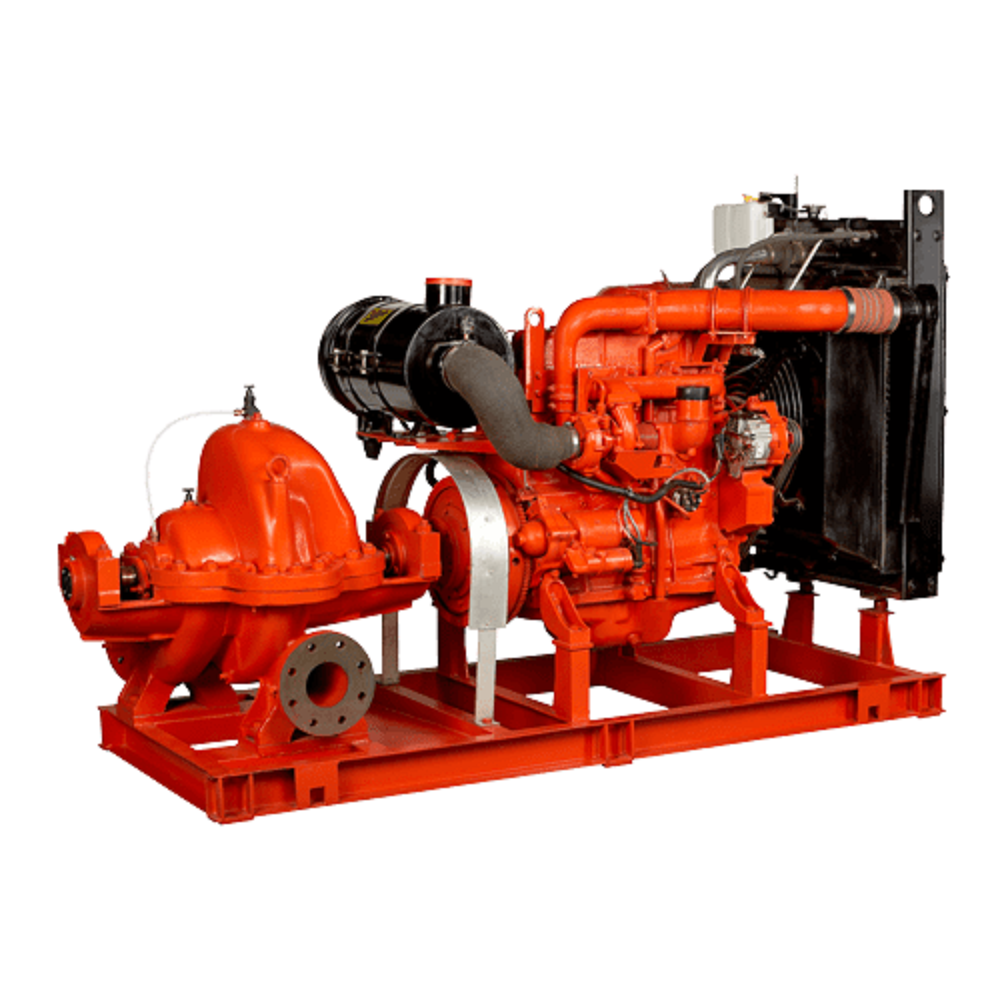
Specifically diesel engines powers firefighting systems alongside their broader industrial, infrastructure, and mining roles.
FMUL Certification
FMUL (Factory Mutual Underwriters Laboratories) certification ensures that diesel engines meet stringent safety, reliability, and performance standards for firefighting systems.
Fire Pump Drivers
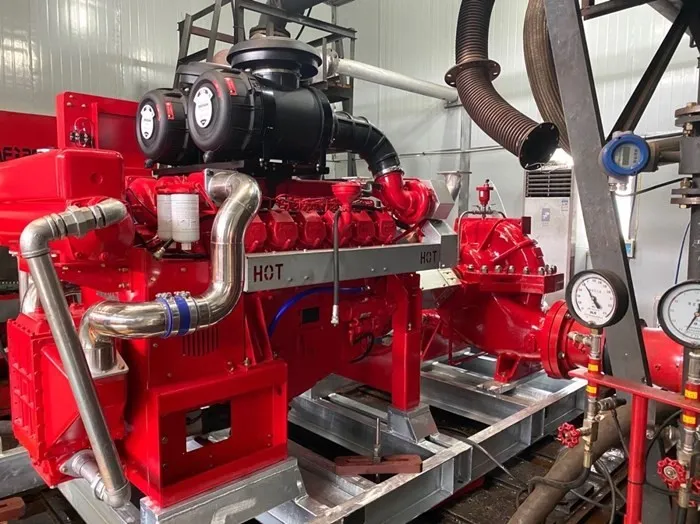
FMUL-certified diesel engines are widely used to drive fire pumps in high-rise buildings, industrial plants, oil & gas facilities, and warehouses.
Reliability Under Emergency
These engines are designed to start instantly and run continuously during fire emergencies, even when electrical power is unavailable.
Compliance with Global Standards
FMUL-certified engines guarantee compliance with NFPA 20 (Standard for Installation of Stationary Pumps for Fire Protection), making them trusted worldwide.
🔥 Diesel Engines in Firefighting Applications (FMUL Certified)
Specifically diesel engines powers firefighting systems alongside their broader industrial, infrastructure, and mining roles.
Product specification
FMUL Certification
FMUL (Factory Mutual Underwriters Laboratories) certification ensures that diesel engines meet stringent safety, reliability, and performance standards for firefighting systems.
Fire Pump Drivers
FMUL-certified diesel engines are widely used to drive fire pumps in high-rise buildings, industrial plants, oil & gas facilities, and warehouses.
Reliability Under Emergency
These engines are designed to start instantly and run continuously during fire emergencies, even when electrical power is unavailable.
Compliance with Global Standards
FMUL-certified engines guarantee compliance with NFPA 20 (Standard for Installation of Stationary Pumps for Fire Protection), making them trusted worldwide.
Critical Infrastructure Protection
Airports, refineries, chemical plants, and data centres rely on FMUL-certified diesel engines to safeguard lives and assets.
Product specification
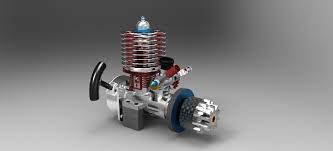
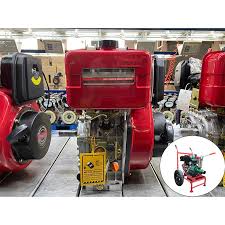
Small Engines
Speed-1500/1800/3000/3600 rpm
Power: 4.4 HP to 75 HP
Non automotive Engines air cooled (Single cylinder/4 stroke/direct injection/air cooled)
Speed- 3000 rpm
Power- 7.4 HP to 11 HP
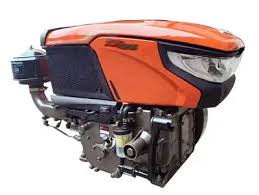
Small engines (Single cylinder/4 stroke/direct injection/water cooled)