VALVES

🌐 The Role of Valves in Industries

Valves are critical to industrial systems, functioning as control devices for fluids and gases. They ensure safety, efficiency, and reliability in operations by regulating flow, pressure, and direction.

πŸ”§ Why Valves Are Useful

  • Flow Control: Adjusting or stopping fluid/gas movement.
  • Pressure Regulation: Maintaining safe operating limits.
  • Isolation: Allowing maintenance without shutting down entire systems.
  • Safety Assurance: Relief valves prevent catastrophic overpressure.

Process Optimization: Ensures consistent quality in production.

Valve Type

Visuals of coupling type

Common Applications

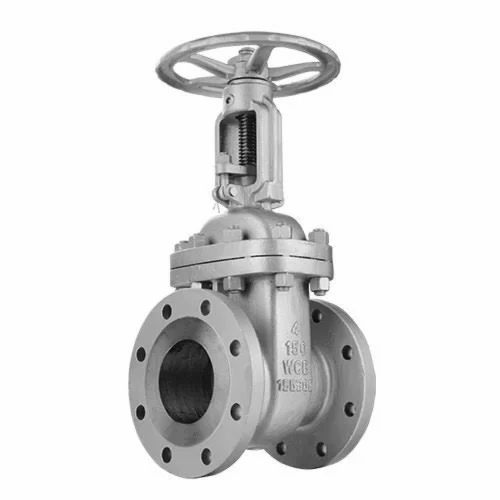
Gate Valve

On/off control, minimal pressure drop
Oil pipelines, water supply

Globe Valve

Precise flow regulation
Steam systems, chemical plants

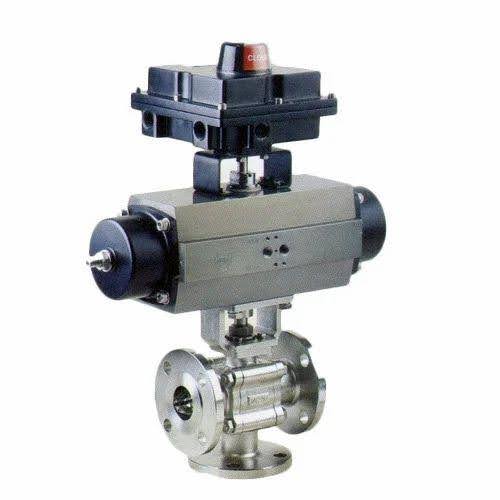
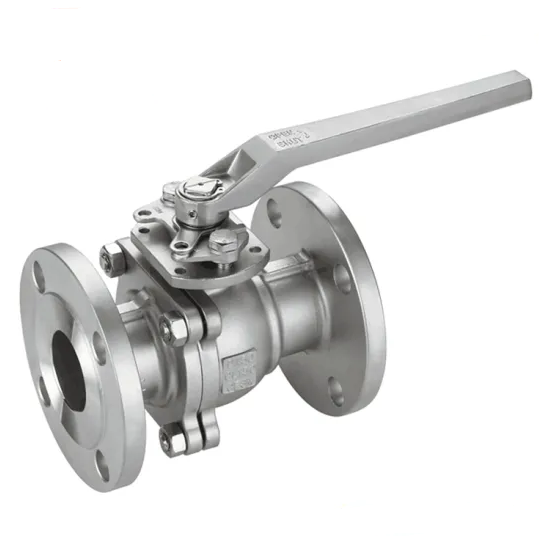
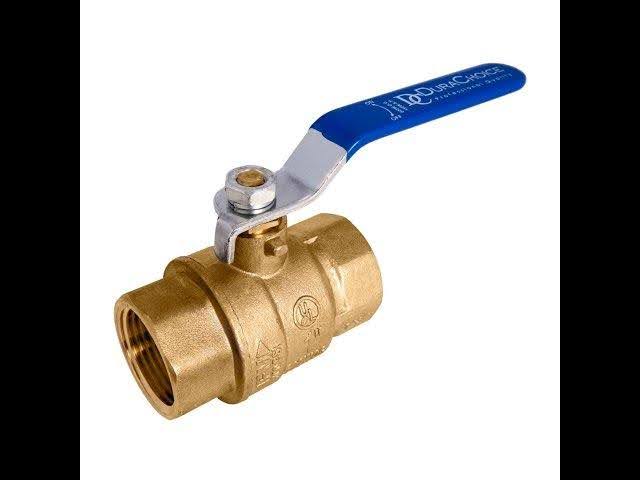
Ball Valve

Quick shut-off, tight sealing
Gas lines, HVAC

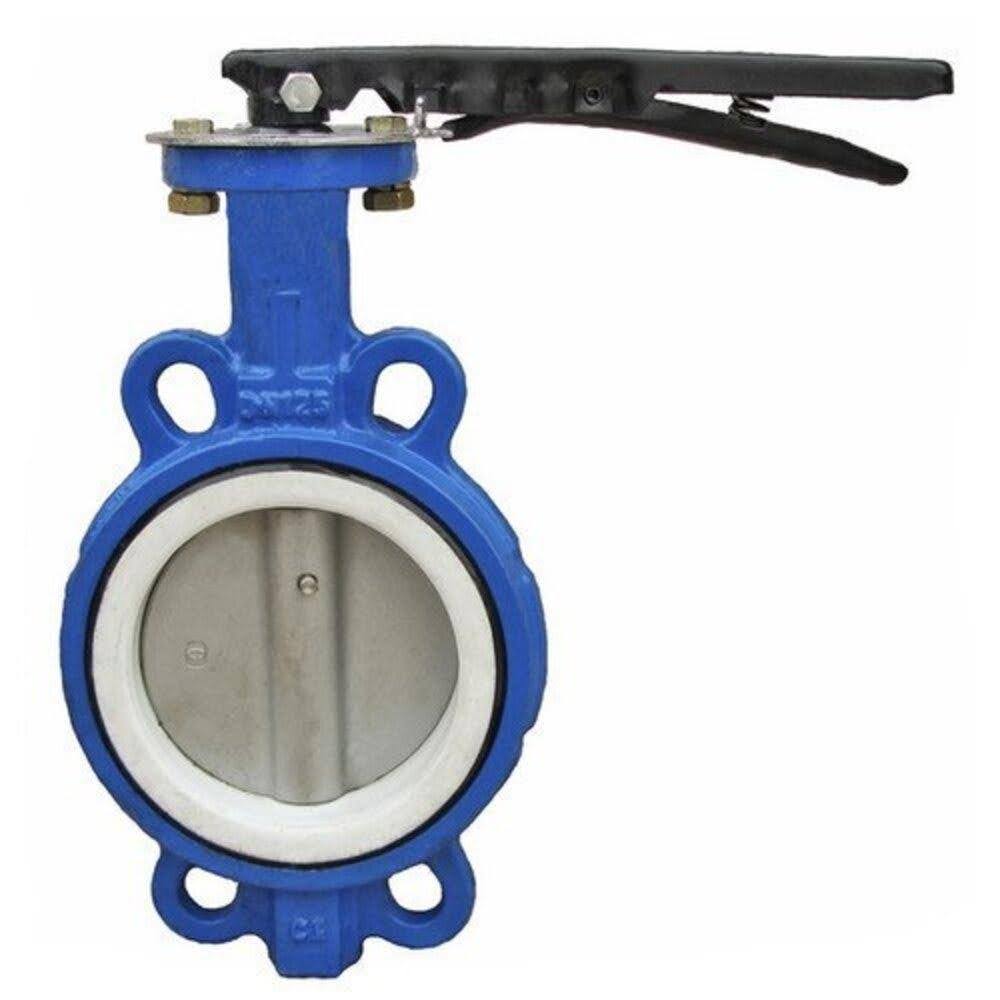
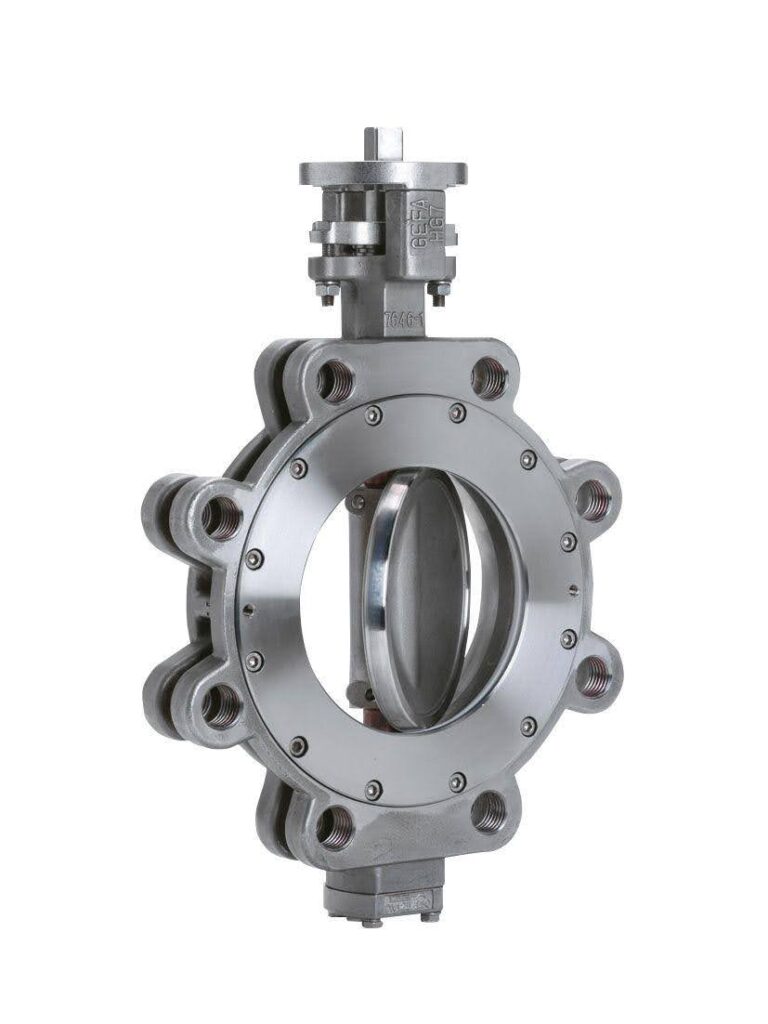
Butterfly Valve

Lightweight, large flow control
Fire protection, cooling water

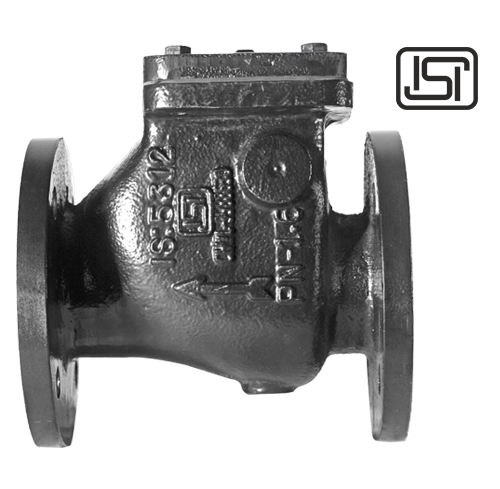
Check Valve

Prevents backflow
Pumping systems, wastewater

Relief/Safety Valve

Protects against overpressure
Boilers, compressors

Plug Valve

Simple design, reliable sealing
Oil & gas, slurry handling

βš™οΈ Factors Influencing Valve Selection

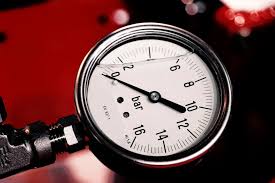
Pressure Rating

Must withstand system pressure safely.

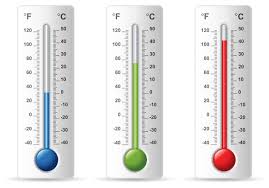
Temperature of Fluid

High-temperature fluids require heat-resistant materials.

Material of Construction

Stainless steel, brass, cast iron, exotic alloys depending on corrosion and chemical compatibility.

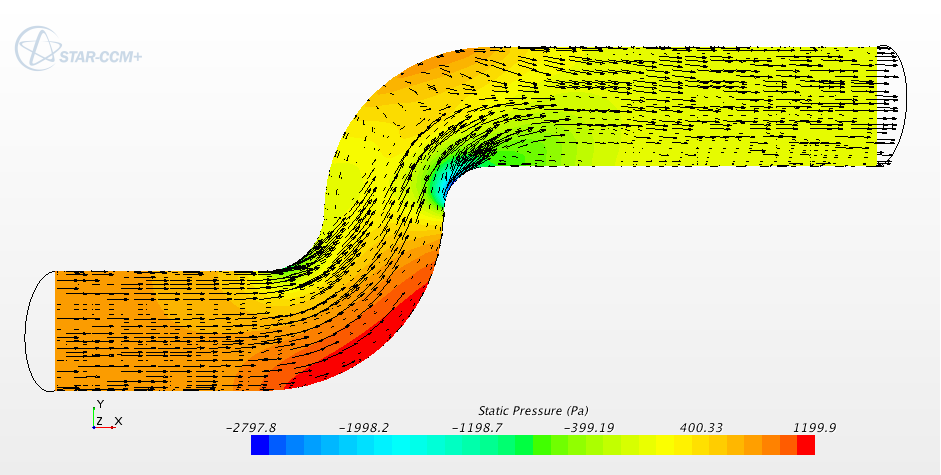
Flow Characteristics

Laminar vs. turbulent flow influences valve design.

πŸ“ Standards Governing Valve Design 2

Valves are manufactured to meet international and regional standards, ensuring safety, performance, and compatibility:

API (American Petroleum Institute)

Oil & gas industry standards.

ATEX (Atmosphères Explosibles)

Safety in explosive atmospheres.

FMUL (Factory Mutual)

Fire protection and safety compliance.

BIS (Bureau of Indian Standards)

Indian regulatory standards.

JIS (Japanese Industrial Standards)

Widely used in Asia.

BS EN (British/European Standards)

Harmonized European standards covering design, testing, and performance of valves across industries.

πŸ‘‰ BS EN standards are particularly important because they unify British Standards (BS) with European Norms (EN), ensuring valves meet EU directives for safety, environmental compliance, and interoperability. Examples include:

  • BS EN 593: Industrial butterfly valves.
  • BS EN 593: BS EN 12266: Testing of metallic valves.
  • BS EN 593: BS EN 1983: Steel ball valves.
  • BS EN 593:BS EN 13709: Steel globe valves.

Valves are the silent guardians of industrial systems, and adherence to standards like API, ATEX, FMUL, BIS, JIS, and BS EN ensures they perform reliably across diverse applications worldwide.

Product Specific

Split body Teflon seated butterfly valves

Size: 2” to 24” Desing Pressure- 10 bar Design standard- BS EN 593, API 609 Body type- Wafer & Lug

Resilient seated butterfly valves

Size: 2” to 24” Pressure rating- Class 125 & 175 Design standard- BS EN 593, API 609

Double offset – High performance butterfly valve

Size: 2” to 24” Pressure rating: Class 150 Design standard: BS EN 593, API 609 Body type: wafer, lug and double flange

Gate valve

Size: 2” to 48” Design standard: API 609/ BS1414/MSS-SP80 Pressure rating: PN16/Class 150/Class 300/ ANSI 800/ ANSI 1500/ANSI 2500

Check valve

Dual plate check valve

Size: 1½” to 28” Design standard: API 594/ BS 1868 Pressure rating: PN16/ANSI 150/ ANSI 300/ ANSI 600

Swing type Reflux valve

Size: 3” to 24” Pressure rating: PN16/ANSI 150/ ANSI 300/ ANSI 600
Ball valve

Shut down valve

Size: ½”, 1” & 2” Pressure rating: 2000 psi Design standard: API 608, ASME B 16.34

Floating type ball valve

Size: ½” to 12” Pressure rating: Class 150 Design standard: BS EN 17292, ASME 16.34

Three piece ball valve

Size: ½” to 2” Pressure rating: class 150/ Class 300 Design standard: BS EN 17292

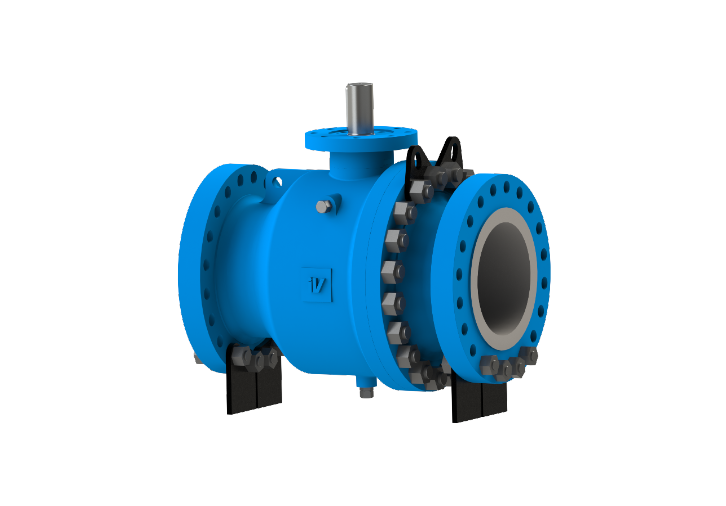
Trunnion mounted ball valve

Size: 2” to 12” Pressure rating: Class 150/ Class 300 Design standard: API 6D, ASME 16.34

Pressure relief valve or safety relief valve

Pressure rating: class 150 to class 2500 Size range: 25mm x 50mm to 250mm to 350mm

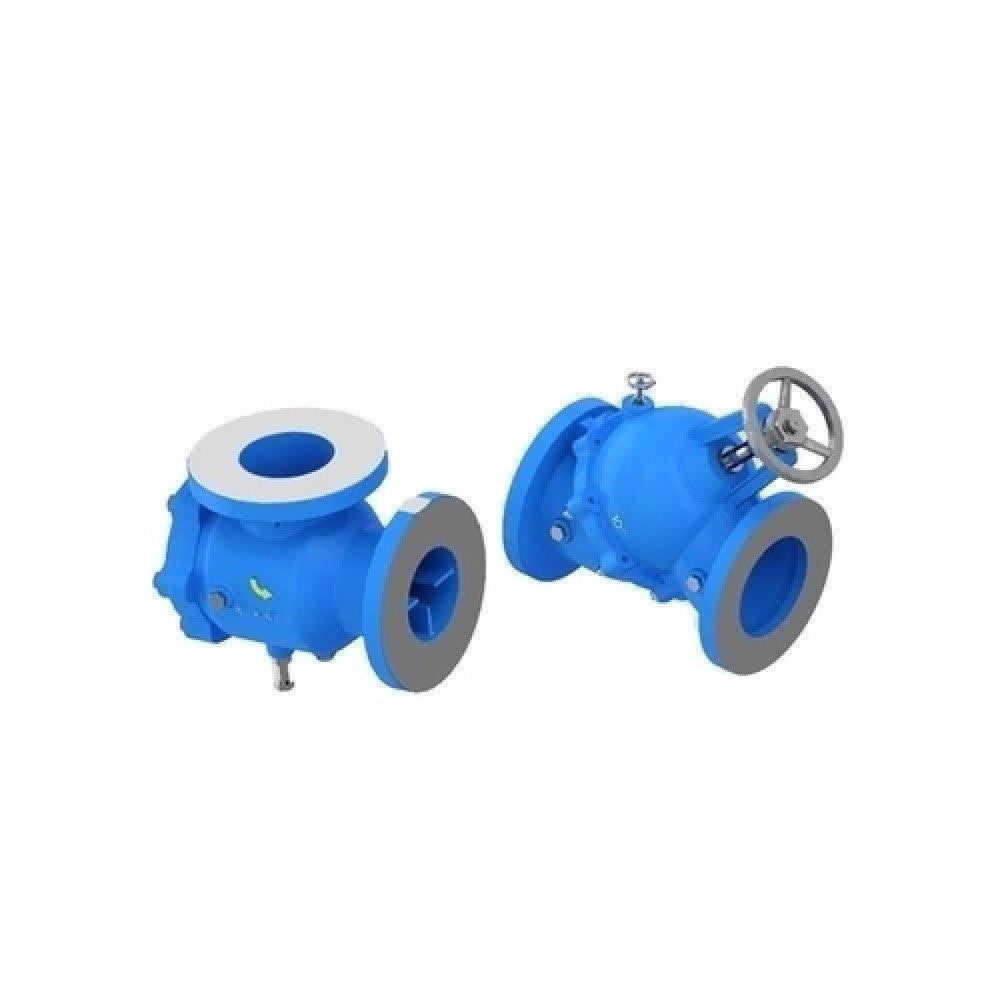
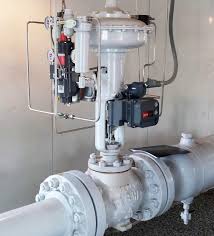
Automatic control valves (surge arrestor)

Size range: 1Β½ β€œ to 24” Pressure rating: PN16 / PN25

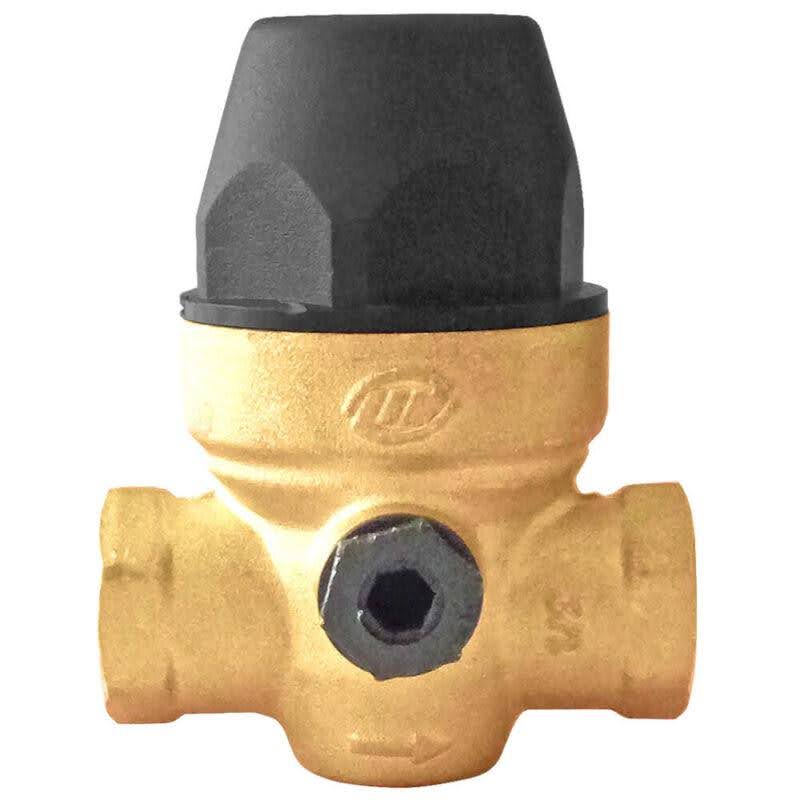
Pressure reducing valve

Size range: 15mm to 80mm Pressure adjusting range: 1-5 kg/cm2 and 4-9 kg.cm2 Maximum inlet pressure: 16kg/cm2

Suction diffusers

Size: 2” x 2” to 12” x 12” Pressure rating: class 125 & class 250

Triple duty valve

Size 2” to 14” Pressure rating: Class 125 & Class 250

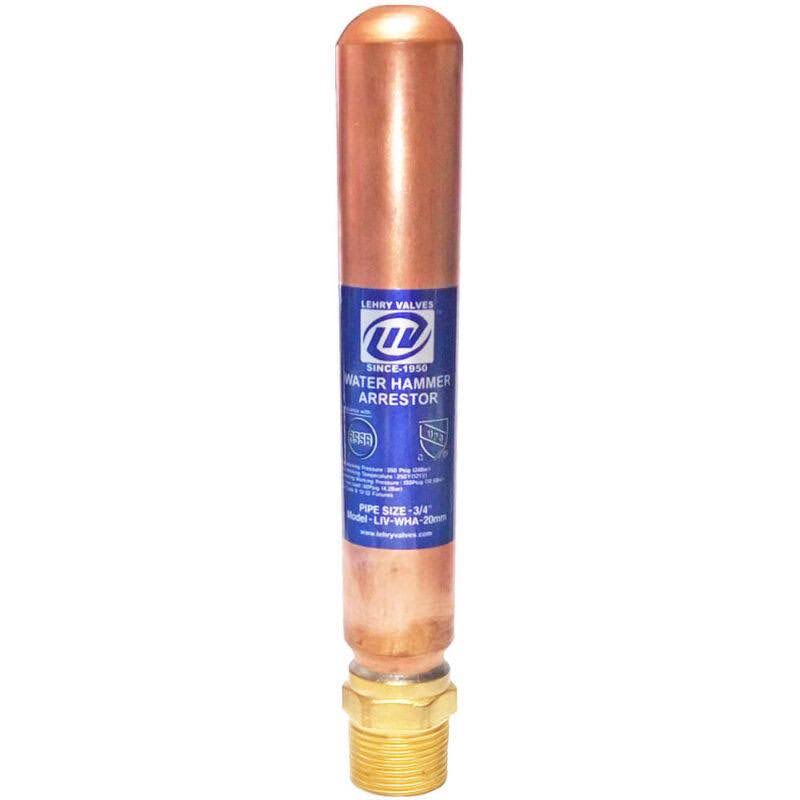
Water hammer arrestors (piston type)

Air pre-load- 60 psi (4.2 bar)

Valves for special application

Forged non-Ferrous ball valve for drinking water supply which is necessary for green building certification (Lead free brass valve)

Size- ¼” to 2” Pressure rating: 25 & 30 bar

Firefighting & HVAC application (FM approved)

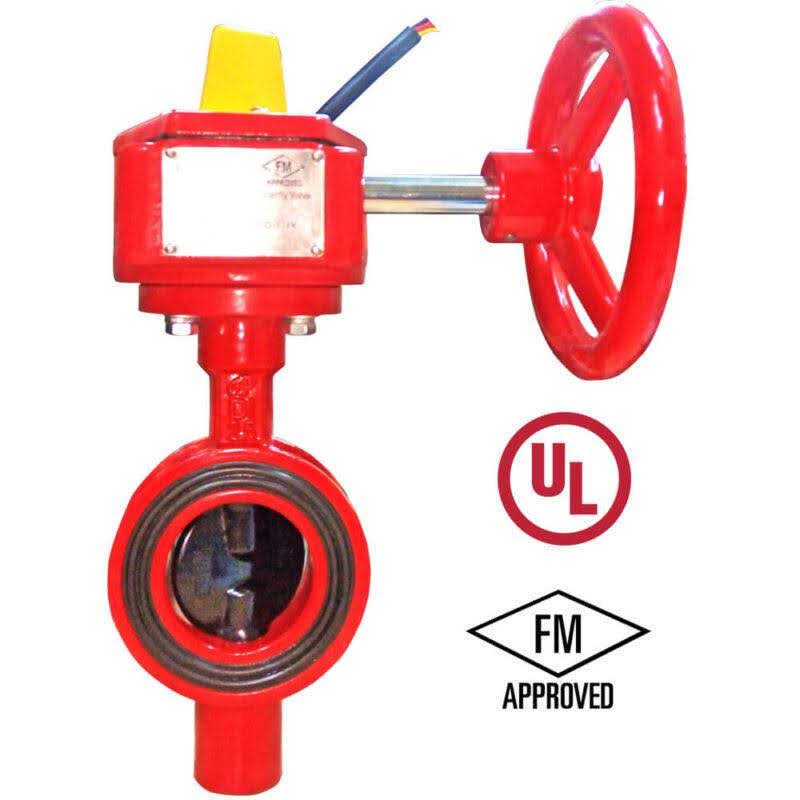
Butterfly valve (UL) certified

Size range: 2” to 12” Gear operated Maximum working pressure: 300psi

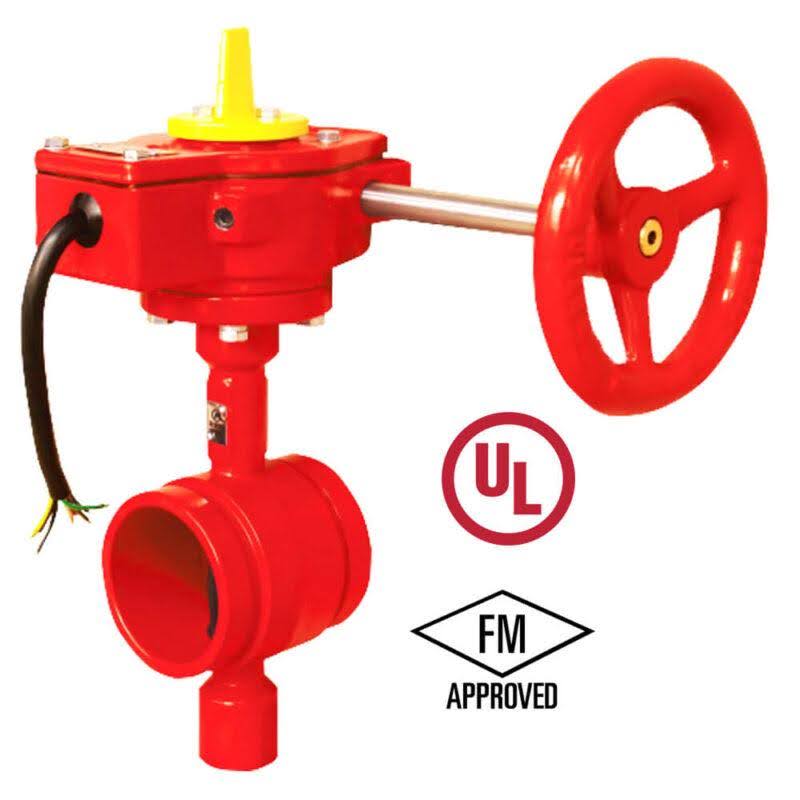
Butterfly valve grooved end (UL certified)

Size: 2½” to 12” Maximum working pressure: 300 psi

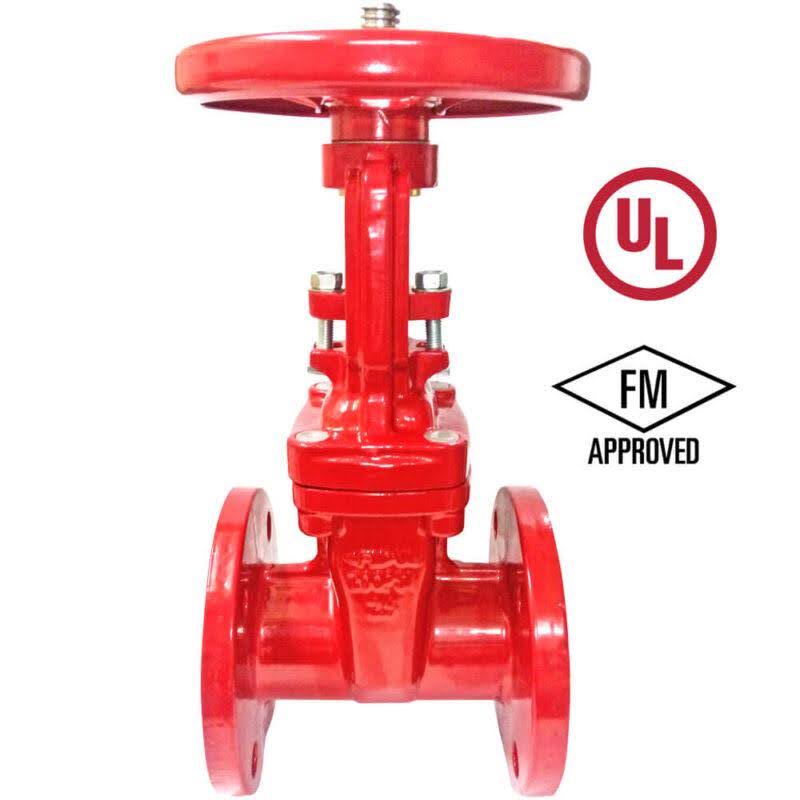
OS& Y Gate valve flanged end (UL certified)

Size- ¼” to 2” Pressure rating: 25 & 30 bar

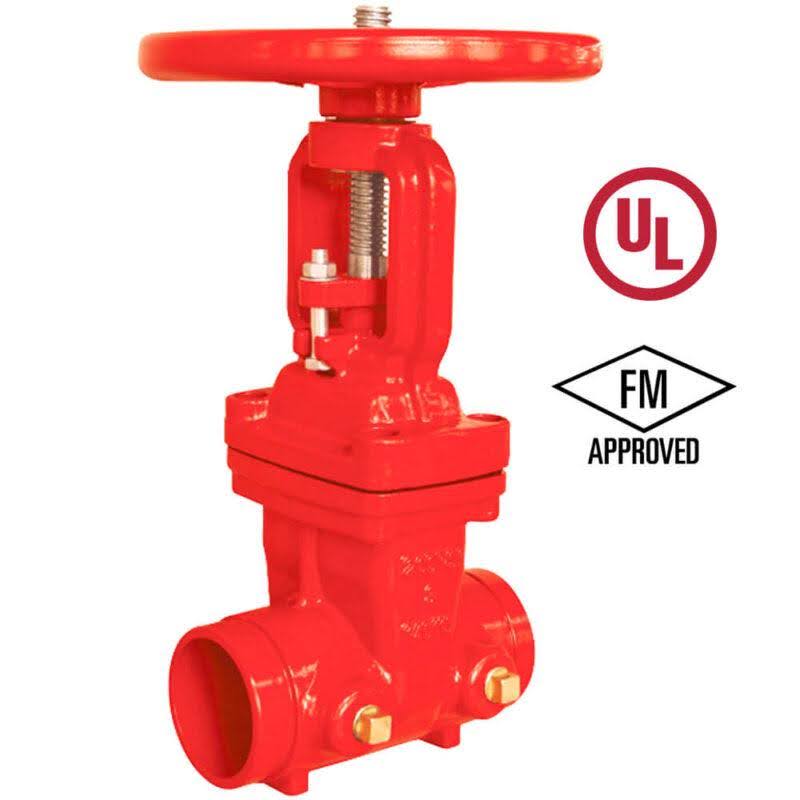
OS&Y gate valve grooved end

Size: 2½” to 12” Maximum working pressure: 300 psi

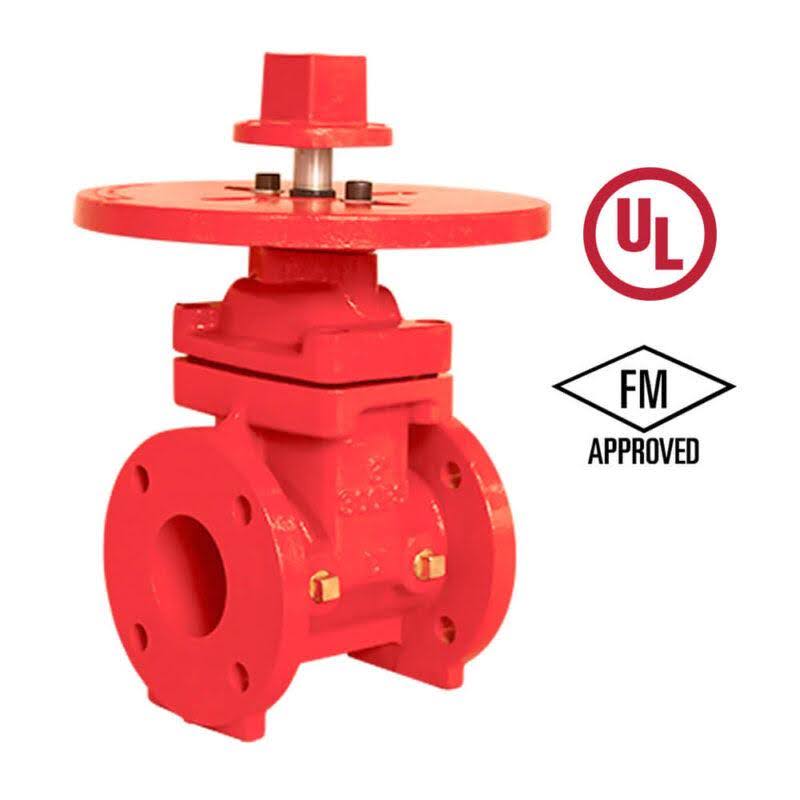
NRS Gate valve flanged end

Size range: 2½” to 12” Maximum working pressure: 300 psi

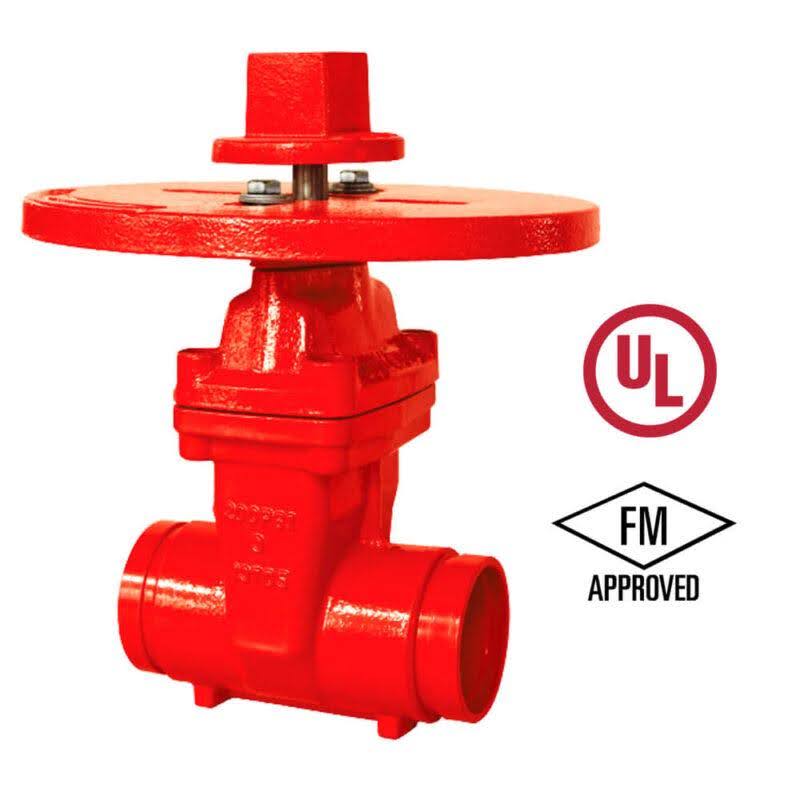
NRS Gate valve grooved end

Size range: 2½” to 12” Maximum working pressure: 300 psi

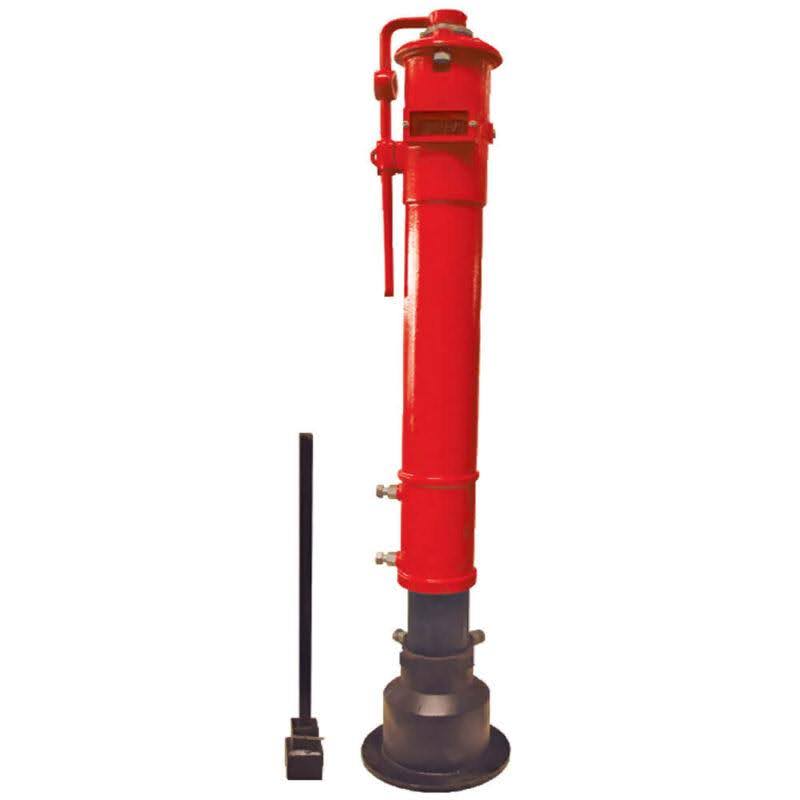
Vertical type post indicator (FM approved)

Cast iron vertical posts are designed to operate the control valve of an automatic fire sprinkler system

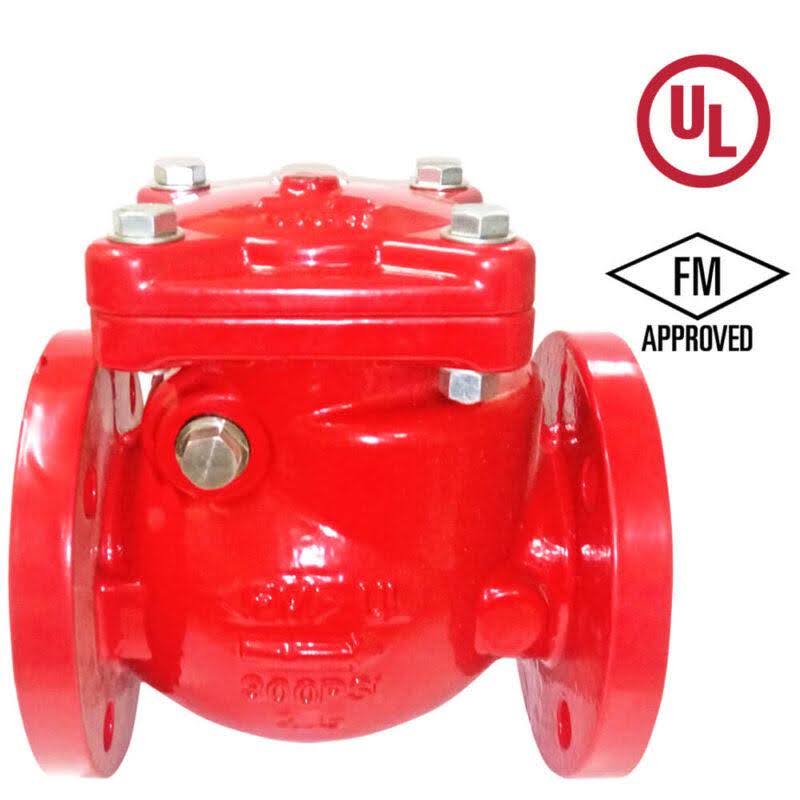
Swing check valve flange end (UL certified)

Size range: 2½” to 12” Maximum working pressure: 300 psi

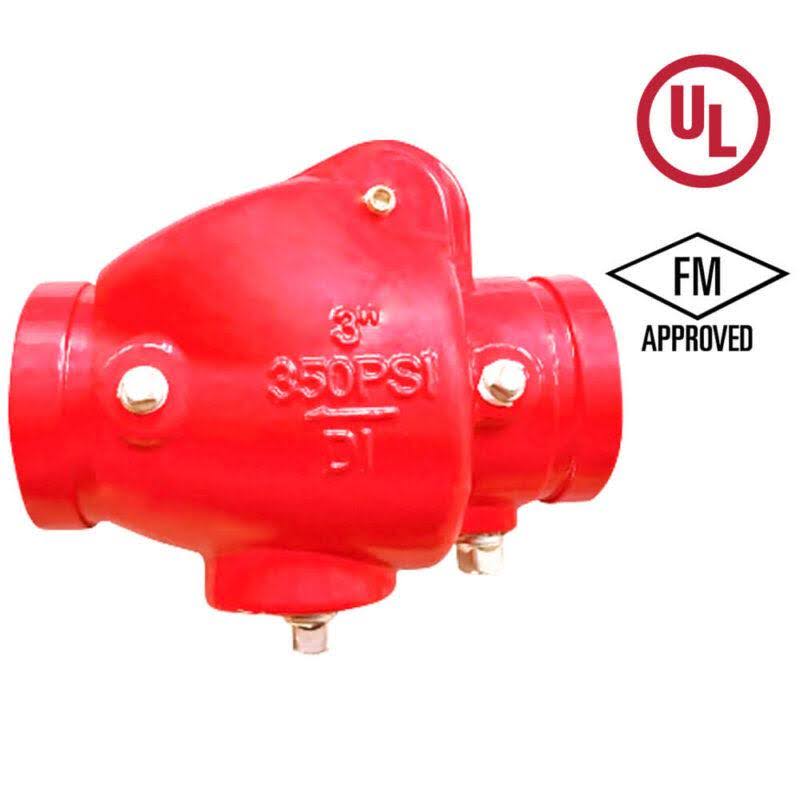
Swing check valve grooved end (FM approved)

Size range: 2” to 8” Maximum working pressure: 300 psi